Solar power plants require regular inspections to maintain energy output, detect defects, and prevent costly equipment failures. Traditionally, technicians inspect solar panels manually by walking through the site and checking modules one by one. However, this method is slow, labor-intensive, and often unable to identify hidden electrical or thermal problems.
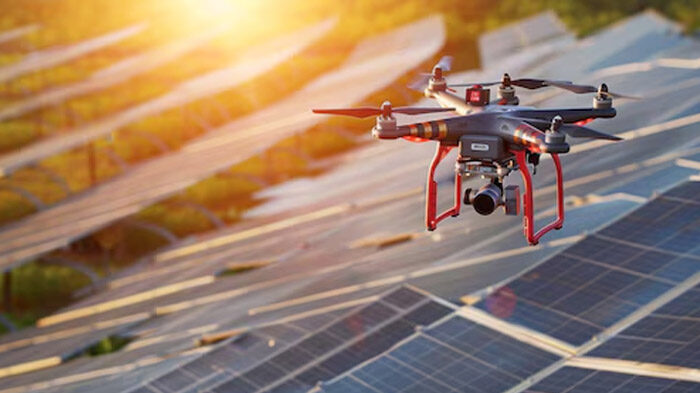
Drone inspection provides a faster, safer, and more accurate alternative. Equipped with thermal and high-resolution cameras, drones can scan large solar installations efficiently and deliver detailed data about panel performance.
Faster Inspection of Large Solar Farms
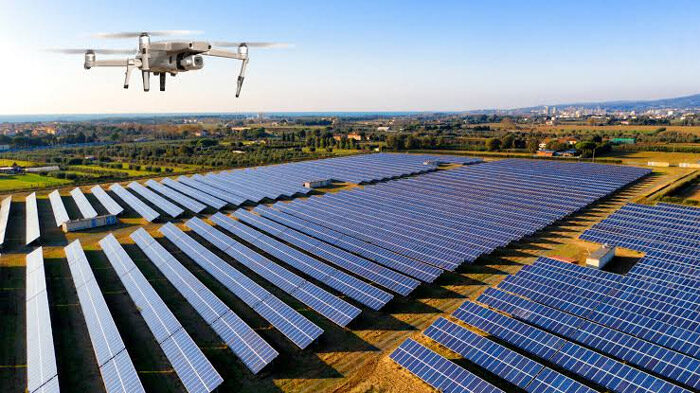
Speed is one of the main advantages of drone inspection.
A large solar farm may contain thousands or even millions of panels. Inspecting every module manually can take days or weeks, depending on the size of the site and the number of technicians available.
A drone can follow a preplanned flight path and capture images of large areas within a much shorter period. Instead of checking panels individually from the ground, operators can inspect entire rows of modules from the air.
This faster process reduces inspection time and allows solar plant operators to identify problems sooner.
More Accurate Defect Detection
Many solar panel defects are difficult to detect through visual observation alone. A panel may appear normal while suffering from electrical faults, damaged cells, poor connections, or internal overheating.
Drones equipped with thermal imaging cameras can identify abnormal temperature patterns across the solar array. Defective cells or modules often create hot spots that are clearly visible in thermal images.
Drone inspections can help detect issues such as:
Because drones collect both thermal and visual images, inspectors can compare temperature differences with physical conditions. This improves diagnostic accuracy and reduces the chance of overlooking hidden defects.
Improved Worker Safety
Manual inspection often requires technicians to walk across uneven terrain, work near electrical equipment, climb onto rooftops, or operate in high-temperature environments.
These conditions create risks such as falls, heat exposure, electrical accidents, and physical strain.
Drone inspection allows technicians to examine solar panels from a safe location. The drone performs the flight while the operator monitors the inspection from the ground.
This is especially valuable for rooftop solar systems, floating solar farms, desert installations, and sites located on steep or difficult terrain.
Although technicians may still need to visit the site for repairs, drones reduce unnecessary exposure during the initial inspection process.
Lower Inspection Costs
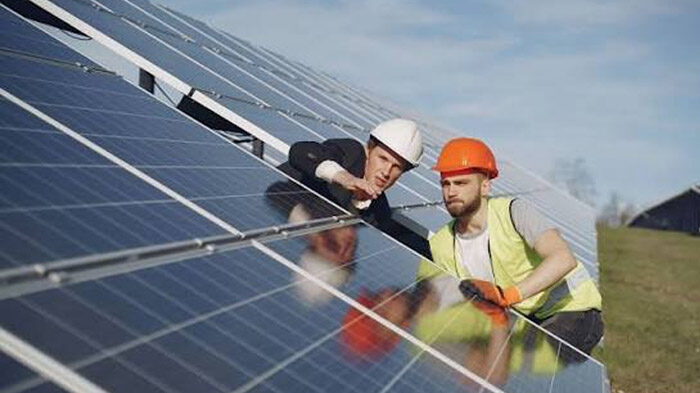
Manual inspection requires significant labor. Large solar farms may need multiple technicians, specialized equipment, transportation, and long working hours.
Drone inspection reduces the amount of time and manpower required to evaluate the site. A small drone team can inspect an area that would otherwise require many workers.
The initial investment in drone equipment, sensors, software, and training may be substantial. However, the long-term savings can be significant, particularly for companies managing multiple or large-scale solar installations.
Faster inspections also reduce operational disruption and enable maintenance teams to focus only on panels that require attention.
Consistent and Repeatable Data Collection
Manual inspections can be inconsistent because results may depend on the technician’s experience, attention, and viewing angle. Different inspectors may record the same defect in different ways.
Drone inspections can follow standardized flight paths, camera settings, altitudes, and inspection procedures. This creates more consistent data across the entire solar site.
The same flight route can be repeated during future inspections, allowing operators to compare images over time. This makes it easier to track defect development, measure degradation, and evaluate whether repairs have been effective.
Consistent data is particularly important for preventive maintenance and long-term asset management.
Precise Defect Location
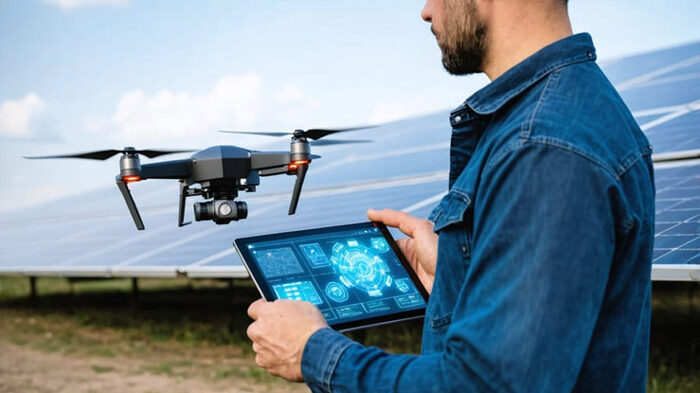
Finding a defect is only useful when the maintenance team can locate it quickly.
Drone inspection systems can connect images with GPS coordinates. Advanced software can also match detected problems to specific panel rows, strings, or module identification numbers.
As a result, repair teams do not need to search through a large solar farm to find a faulty panel. They can go directly to the identified location.
This shortens maintenance time and reduces the risk of repairing or replacing the wrong module.
Better Maintenance Planning
Drone inspection does more than identify damaged panels. It provides data that can help operators prioritize maintenance work.
For example, a minor temperature difference may require monitoring, while a severe hot spot may require immediate attention. By classifying defects according to type and severity, inspection software can help maintenance teams decide which problems should be repaired first.
This supports a more targeted maintenance strategy. Instead of performing broad and unnecessary inspections, operators can focus their resources on the most critical issues.
Early detection also helps prevent small defects from becoming larger failures that reduce power generation or damage nearby components.
Minimal Disruption to Solar Operations
Manual inspections may require technicians to move through active solar fields, access electrical equipment, or temporarily isolate certain areas.
Drone inspections can usually be completed while the solar plant remains operational. In fact, thermal inspections are often most effective when panels are producing electricity because defective areas become easier to detect under load.
This allows operators to inspect the system without causing significant interruption to energy production.
Easier Inspection of Hard-to-Reach Areas
Some solar installations are difficult to inspect manually. Rooftop systems may have limited access, while floating solar farms require boats and specialized safety equipment. Ground-mounted systems may cover rough, muddy, or remote terrain.
Drones can access these areas without requiring inspectors to physically reach every panel. They can fly over obstacles, scan elevated installations, and collect images from consistent angles.
This flexibility makes drone inspection suitable for a wide range of solar projects.
Manual Inspection Still Has a Role
Drone inspection does not completely replace manual inspection.
A drone can identify where a problem is located and provide evidence of abnormal performance, but technicians may still need to perform electrical tests, examine components closely, confirm the cause of a defect, or carry out repairs.
The most effective inspection strategy often combines both methods. Drones are used for rapid site-wide screening, while technicians conduct detailed inspections only in the areas where potential defects have been detected.
This approach combines the speed and coverage of drones with the hands-on expertise of maintenance professionals.
FAQs
How often should solar panels be inspected by drone?
The recommended inspection frequency depends on the size, age, location, and operating conditions of the solar installation.
Most utility-scale solar farms should undergo a comprehensive drone inspection at least once a year. Additional inspections may be necessary after severe storms, hail, flooding, construction work, or unexpected drops in power output. High-risk sites may benefit from semiannual or quarterly inspections.
What weather conditions are required for a thermal drone inspection?
Thermal inspections should be conducted under stable sunlight with sufficient solar irradiance to create measurable temperature differences between healthy and defective modules.
Low cloud cover, light wind, and dry panel surfaces generally produce the most reliable results. Inspections should be avoided during rain, heavy cloud cover, strong winds, or rapidly changing sunlight because these conditions can distort thermal readings.
Can drone inspections measure energy loss from defective panels?
Drone inspections can identify and classify thermal anomalies, but estimating the exact energy loss usually requires additional operational data.
Thermal findings can be combined with inverter records, string-level performance data, electrical measurements, and system design information to estimate the production impact of each defect. This helps asset managers determine whether immediate repair is financially justified.
What information should a professional drone inspection report include?
A professional report should include georeferenced visual and thermal images, defect classifications, severity levels, panel or string locations, temperature differences, and recommended corrective actions.
It may also include an orthomosaic map, inspection conditions, flight parameters, affected module counts, and a prioritized maintenance list. Reports should be structured so maintenance teams can locate and verify each issue efficiently.
Are permits or special qualifications required for solar panel drone inspections?
Requirements vary by country and region. Commercial drone operators may need pilot certification, aircraft registration, operational authorization, insurance, or permission to fly in controlled airspace.
Thermal inspections also require trained personnel who understand infrared imaging, solar module behavior, environmental influences, and data interpretation. Using qualified operators helps ensure that both the flight and the inspection results meet professional and regulatory standards.