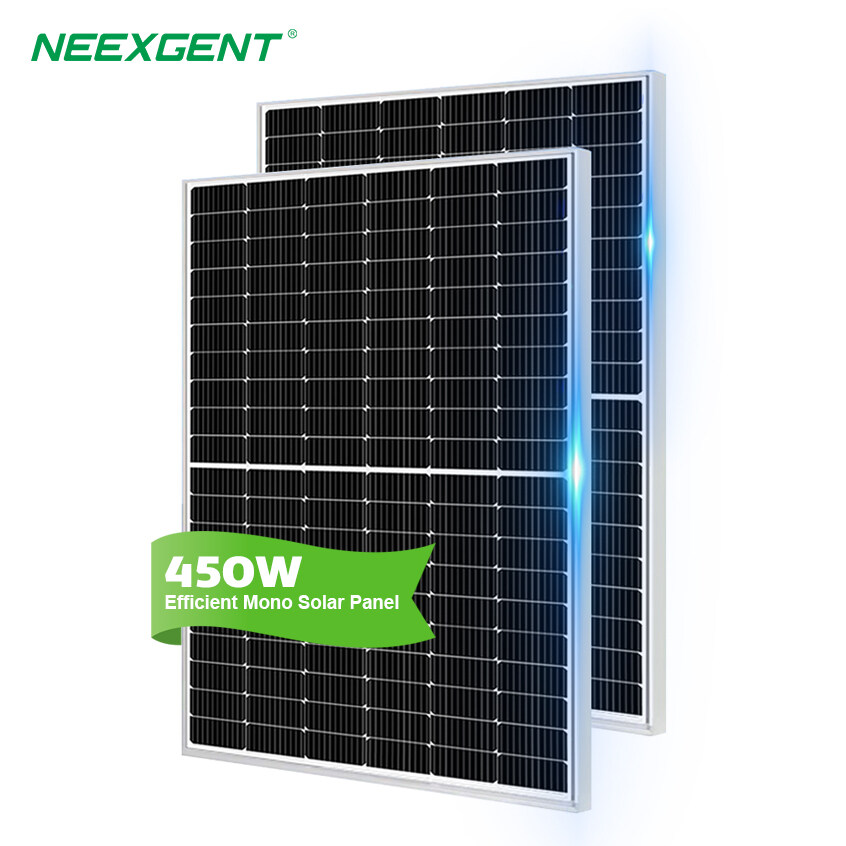
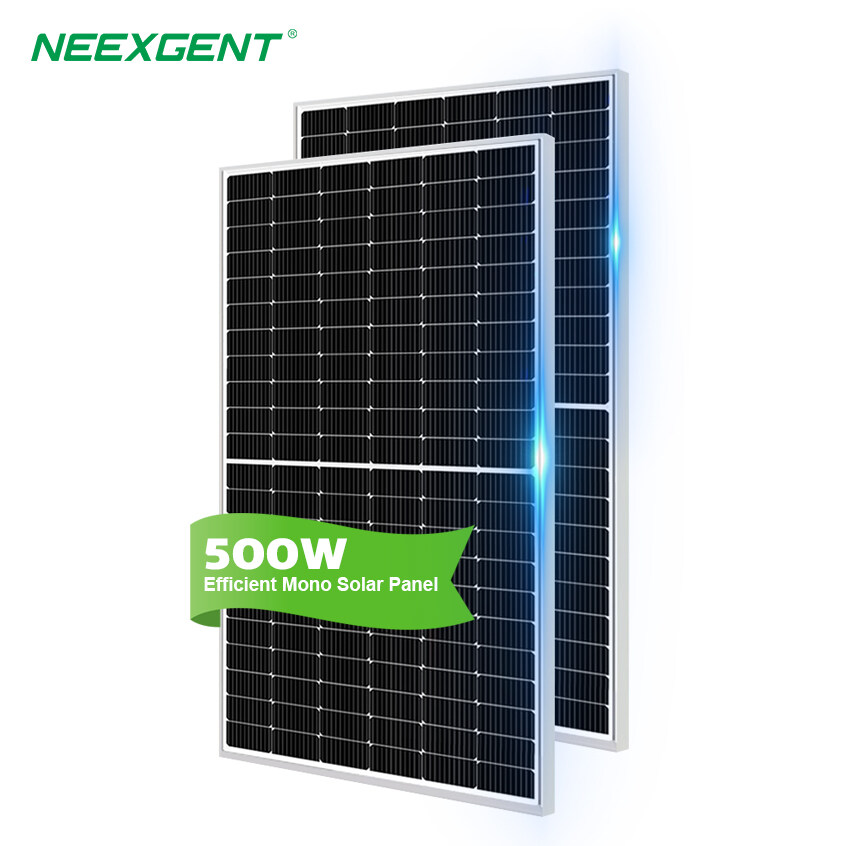
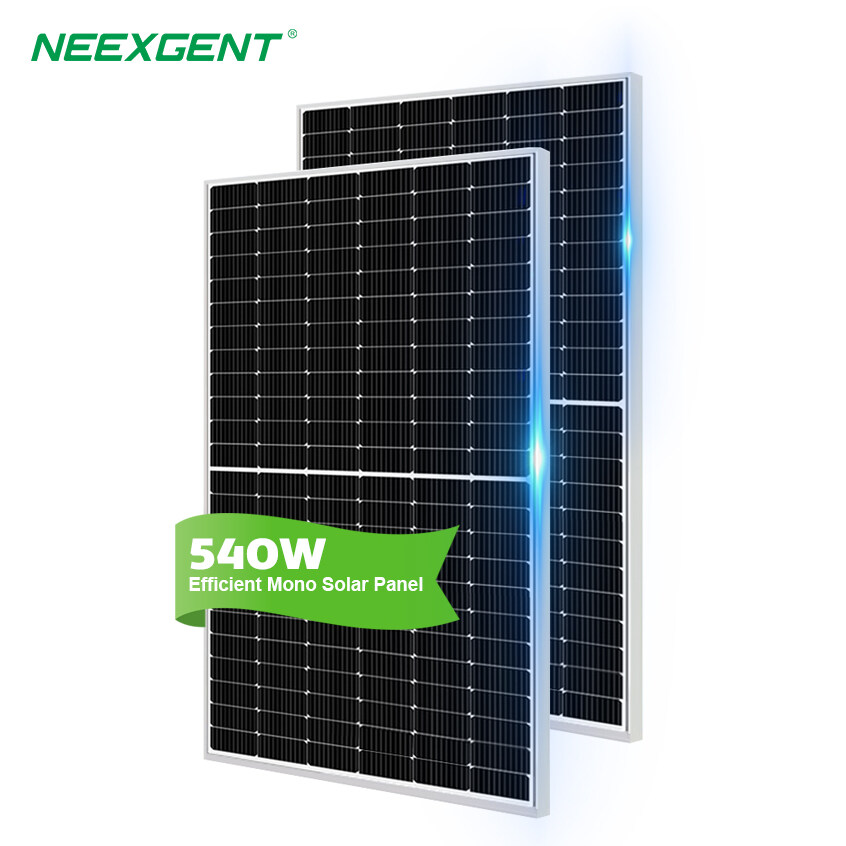
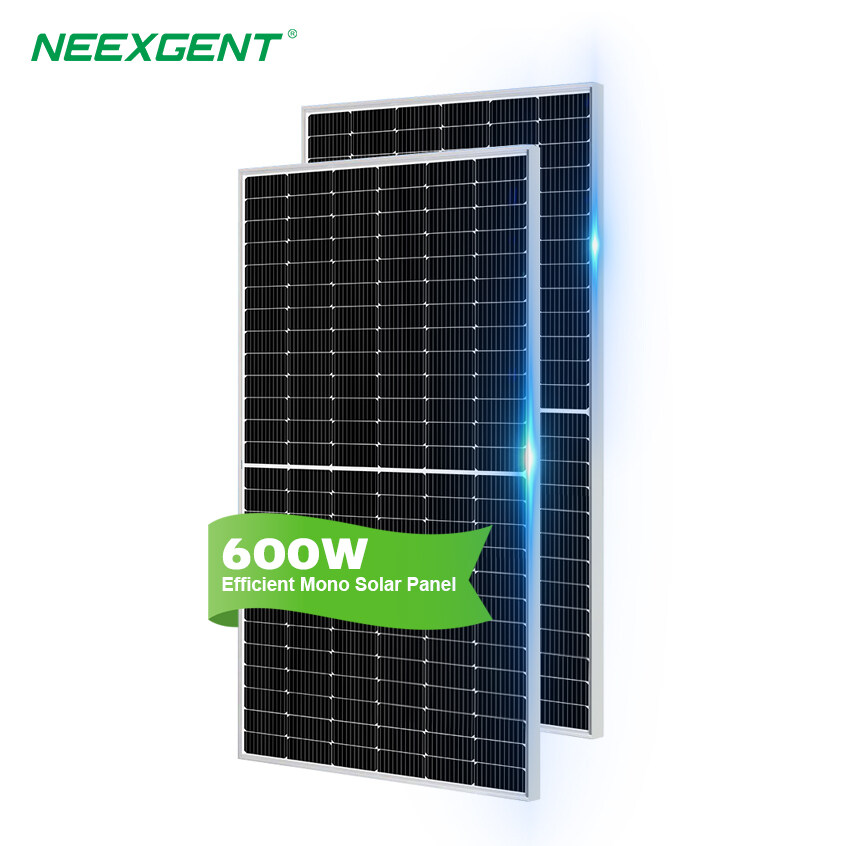
Solar panels are an ideal power solution for tiny homes because they provide clean electricity without requiring a connection to the traditional power grid. Whether a tiny home is permanently located on private land, parked in an RV community, or designed for off-grid travel, a properly sized solar system can supply reliable energy for lighting, refrigeration, electronics, water pumps, and other essential appliances.
How Tiny Home Solar Systems Work
A tiny home solar system converts sunlight into usable electricity. Solar panels produce direct-current electricity, which is sent to a charge controller. The charge controller regulates the power before it enters the battery bank. Stored electricity can then be used at night or during cloudy weather.
Most household appliances use alternating-current electricity, so an inverter is needed to convert the battery’s direct-current power into alternating-current power.
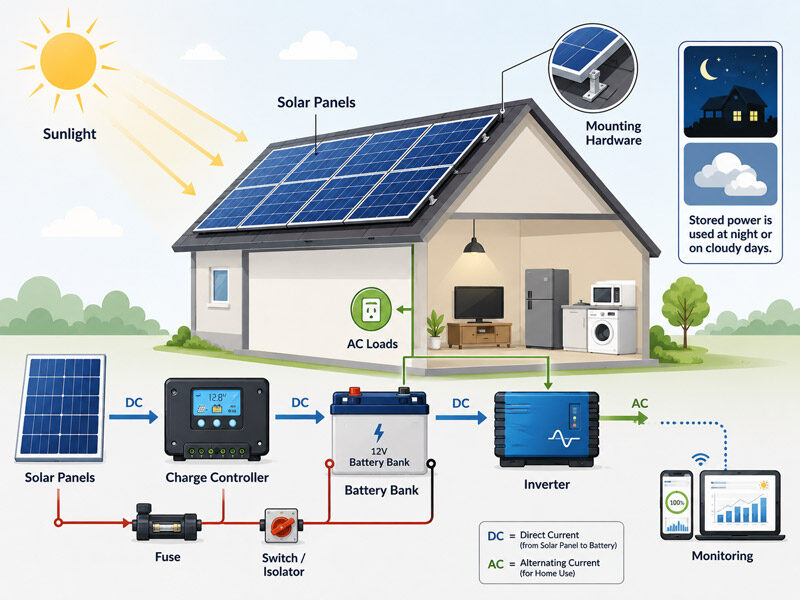
A complete tiny home solar setup usually includes:
- Solar panels
- A charge controller
- A battery bank
- An inverter
- Mounting hardware
- Wiring, fuses, and disconnect switches
- A monitoring system
Grid-connected tiny homes may use fewer batteries or no batteries at all, while off-grid homes require enough battery storage to operate when solar production is low.
How Much Solar Power Does a Tiny Home Need?
The correct system size depends on daily electricity consumption rather than the physical size of the home. A tiny home with propane heating and cooking may use relatively little electricity. A home with electric heating, air conditioning, an electric water heater, and induction cooking will require a much larger system.
Before choosing solar panels, list every electrical device, its wattage, and the number of hours it is used each day.
Daily energy consumption can be estimated with this formula:
Device wattage × hours of use = watt-hours per day
For example, a 60-watt refrigerator running for eight effective hours per day uses approximately 480 watt-hours.
After calculating the total daily demand, add a safety margin of around 20% to 30% for inverter losses, cloudy conditions, battery inefficiency, and future appliances.
Typical Tiny Home Solar System Sizes
| System Size |
Approximate Daily Energy Support |
Suitable For |
Typical Battery Capacity |
| 400–800 watts |
1–3 kWh |
Lights, laptops, phones, fans, and a small refrigerator |
2–5 kWh |
| 1,000–2,000 watts |
3–7 kWh |
Refrigerator, electronics, water pump, television, and occasional small appliances |
5–10 kWh |
| 2,000–4,000 watts |
7–15 kWh |
Full-time off-grid living, induction cooking, air conditioning, and larger appliances |
10–20 kWh |
| More than 4,000 watts |
15+ kWh |
High electrical demand, electric heating, electric water heating, and multiple occupants |
20+ kWh |
These figures are general estimates. Actual performance depends on location, season, panel orientation, shading, battery efficiency, and local weather.
Roof-Mounted vs. Ground-Mounted Panels
Roof-mounted panels are the most common choice because they do not require additional land. They are compact, secure, and suitable for mobile tiny homes. However, tiny home roofs have limited surface area, and roof vents, skylights, chimneys, and air-conditioning units may reduce the available space.
Ground-mounted solar panels offer more flexibility. They can be positioned at the best angle and placed away from shaded areas. They are also easier to clean and maintain. The main disadvantages are the need for extra space, mounting structures, and longer electrical cables.
Portable solar panels are another option for mobile tiny homes. They are easy to reposition throughout the day, but they usually provide less power and require manual setup.
Choosing the Right Solar Panels
Monocrystalline panels are generally the best choice for tiny homes because they produce more electricity within a limited area. They are more efficient than many polycrystalline panels, although they may cost more.
When comparing panels, consider:
- Rated wattage
- Conversion efficiency
- Physical dimensions
- Weight
- Weather resistance
- Product warranty
- Temperature performance
- Compatibility with the charge controller
For mobile tiny homes, panel weight and mounting strength are especially important. The system must withstand wind, vibration, and movement during transportation.
Battery Storage Options
Battery storage allows a tiny home to use solar electricity when the panels are not producing power.
Lithium iron phosphate batteries are widely used in modern tiny home systems because they are lighter, more efficient, and longer-lasting than traditional lead-acid batteries. They can also be discharged more deeply without significant damage.
Lead-acid batteries usually cost less initially, but they are heavier, require more space, and have a shorter usable lifespan. They also should not be regularly discharged below approximately 50% of their rated capacity.
Battery capacity should be based on daily consumption and the number of days the home must operate without strong sunlight. Many off-grid systems are designed with one to three days of backup storage.
Selecting an Inverter
The inverter must be powerful enough to handle both normal operating loads and short startup surges from appliances such as refrigerators, pumps, and air conditioners.
A pure sine wave inverter is the preferred choice for tiny homes. It produces electricity that is suitable for sensitive electronics, motors, medical equipment, chargers, and modern appliances.
When choosing an inverter, check:
- Continuous power rating
- Surge power rating
- Input voltage
- Energy efficiency
- Standby power consumption
- Built-in safety protections
The inverter should not be selected only according to average energy use. It must support the maximum amount of power that may be used at one time.
Installation Considerations
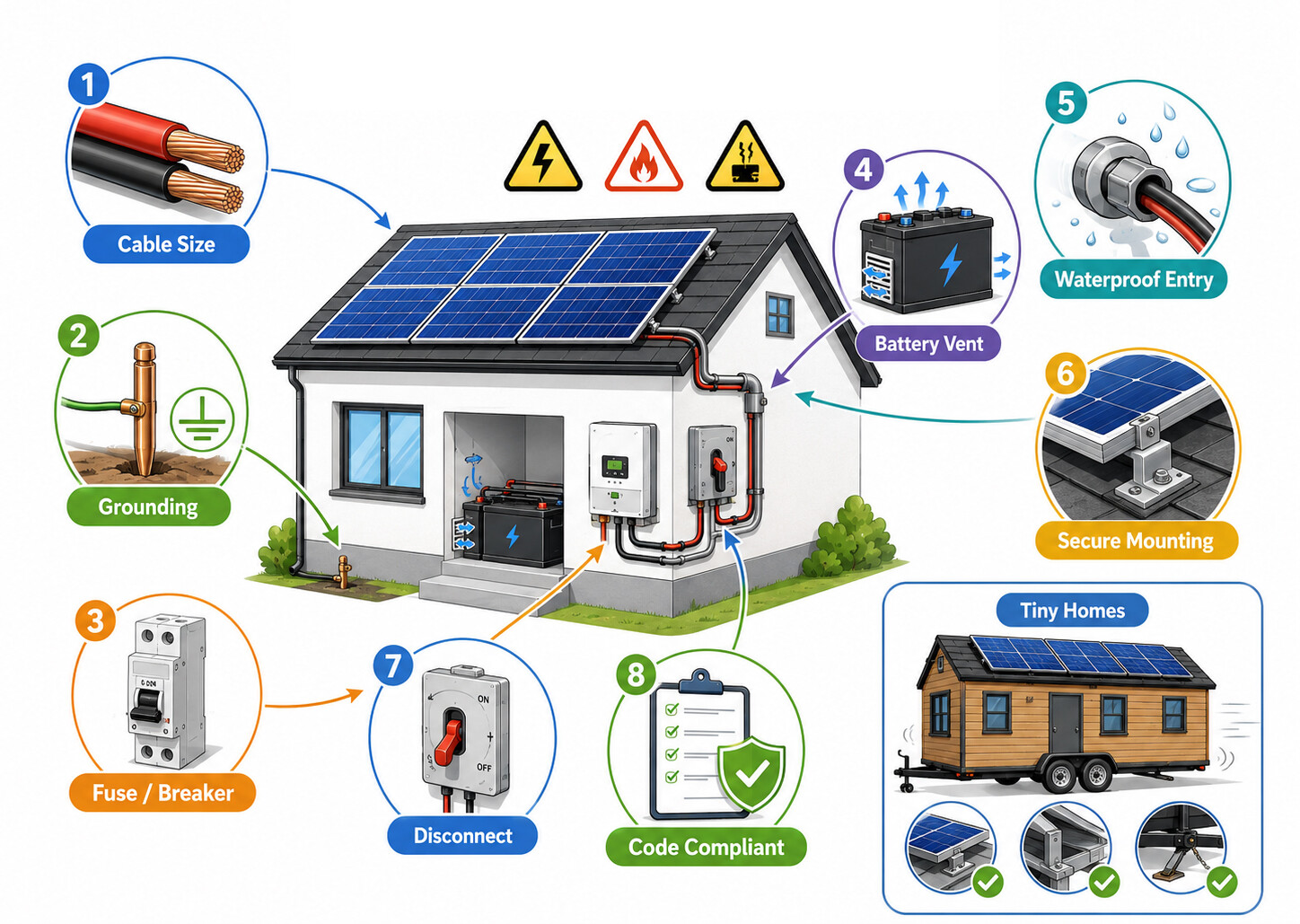
A solar installation must be designed safely. Incorrect wiring can cause electrical shock, battery damage, equipment failure, or fire.
Important installation factors include:
- Correct cable size
- Proper grounding
- Overcurrent protection
- Battery ventilation
- Waterproof cable entry points
- Secure panel mounting
- Accessible disconnect switches
- Compliance with local electrical and building codes
A mobile tiny home may also need additional structural reinforcement. Panels should be mounted low enough to reduce wind resistance and securely enough to remain stable during travel.
Professional installation is recommended when the system includes high-capacity batteries, large inverters, grid connections, or complex electrical circuits.
Reducing Energy Demand
Reducing electricity consumption is often less expensive than purchasing more solar panels and batteries.
Useful energy-saving measures include:
- LED lighting
- High-efficiency refrigerators
- Heat-pump appliances
- Propane cooking or heating
- Improved insulation
- Low-power ventilation fans
- Smart power strips
- Energy-monitoring devices
- Natural lighting and passive cooling
Electric resistance heating consumes a large amount of energy and can quickly drain a small battery bank. In cold climates, propane heaters, wood stoves, or high-efficiency heat pumps may be more practical.
Cost of a Tiny Home Solar System
The total cost depends on system size, equipment quality, battery chemistry, installation complexity, and whether professional labor is required.
A small system for basic electronics may cost a few thousand dollars. A complete off-grid setup with high-capacity lithium batteries, premium panels, a large inverter, and professional installation can cost significantly more.
The battery bank is often one of the most expensive components. However, purchasing an undersized system can also be costly because it may require early upgrades or frequent generator use.
The best approach is to design the system around measured energy needs instead of choosing a package based only on price.
Maintenance Requirements
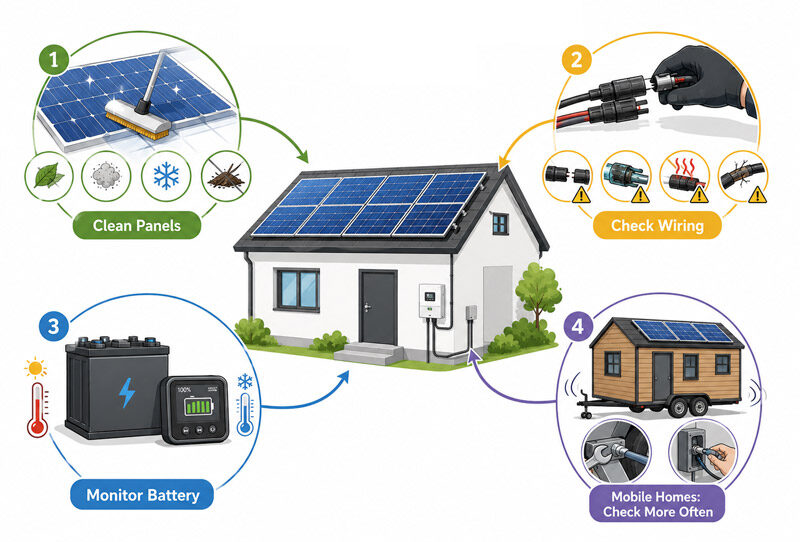
Solar systems generally require limited maintenance, but regular inspection is still necessary.
Panels should be kept free from leaves, dirt, snow, and heavy debris. Wiring should be checked for loose connections, corrosion, heat damage, and wear. Battery performance should be monitored, especially during periods of extreme heat or cold.
Mobile tiny homes need more frequent inspections because vibration can loosen fasteners and electrical connections.
A monitoring system can help track solar production, battery charge levels, appliance consumption, and system faults. This information makes it easier to identify problems before they cause a complete power failure.
See also: What Is the Best Way to Clean Solar Panels?
FAQs
Can Tiny Home Solar Panels Charge an Electric Vehicle?
Yes, but electric vehicle charging can significantly increase a tiny home’s electricity demand.
Level 1 charging may work with a sufficiently large solar array and battery bank, while Level 2 charging usually requires higher inverter capacity and substantial daily solar production. Charging during peak sunlight hours can reduce pressure on battery storage.
What Happens to Excess Solar Power Generated by a Tiny Home?
Excess electricity can be stored in batteries, exported to the utility grid where permitted, or redirected to useful loads such as water heating.
In a fully charged off-grid system, the charge controller limits additional power production to protect the batteries. The available options depend on the system design and local utility rules.
Can a Tiny Home Solar System Be Expanded Later?
Most systems can be expanded, provided the charge controller, inverter, wiring, and battery bank can support additional capacity.
Planning for expansion during the initial installation can reduce future costs. Using modular equipment and leaving space for extra panels or batteries makes upgrades easier.
Do Tiny Home Solar Panels Increase Property Value?
A professionally installed solar system may improve the appeal and value of a stationary tiny home by lowering operating costs and supporting energy independence.
The effect depends on system condition, ownership status, documentation, local demand, and whether the equipment can legally remain with the property after sale.
Are Tiny Home Solar Systems Eligible for Tax Credits or Rebates?
Eligibility varies by country, region, property classification, and whether the tiny home is considered a primary or secondary residence.
Some incentives may cover solar panels, batteries, and installation expenses, while mobile units may face additional restrictions. Owners should verify current requirements with local tax authorities and incentive programs before purchasing equipment.