Adding solar panels to an existing system can increase energy production without replacing the entire installation. The process involves more than placing extra modules on unused roof space. The new panels need to work with the existing inverter, wiring, mounting structure, electrical protection, and grid connection.
A successful expansion starts with the specifications of the current system and the amount of additional energy the property actually needs.
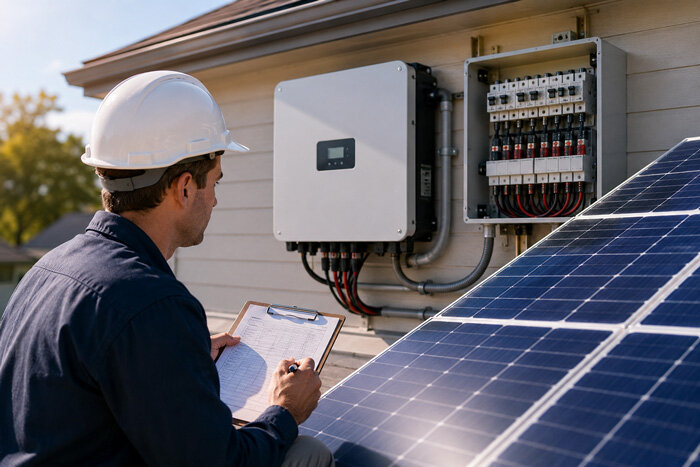
The existing installation sets the technical limits for any expansion. Start by checking the number of installed panels, the wattage of each module, total DC capacity, inverter model, MPPT configuration, cable size, electrical protection, and available installation space.
The way solar panels generate electricity determines how additional modules affect system voltage, current, and total power. Adding panels changes the electrical characteristics seen by the inverter, so the expanded array has to remain within the limits of the equipment already installed.
The original installation documents can provide panel specifications, inverter ratings, string layouts, and system diagrams. When these records are unavailable, the same information can usually be obtained from equipment labels and manufacturer datasheets.
The inverter often determines how much additional solar capacity can be added. Each inverter has limits for DC input power, maximum input voltage, current, and MPPT operating range.
The expansion design should account for:
-
Total array wattage
-
Maximum open-circuit voltage
-
Operating voltage and string current
-
Number of strings connected to each MPPT
-
Low-temperature voltage rise
-
Expected inverter clipping
A solar array can sometimes have a higher DC rating than the inverter's AC output rating. This DC-to-AC oversizing is common in system design, but the permitted ratio varies between inverter models and installation standards.
When the existing inverter is already close to its input limits, additional panels may require a second inverter or a larger replacement unit.
Using the same solar panel model usually makes expansion simpler, but older modules may no longer be available. In that case, electrical compatibility matters more than matching panel appearance or nominal wattage.
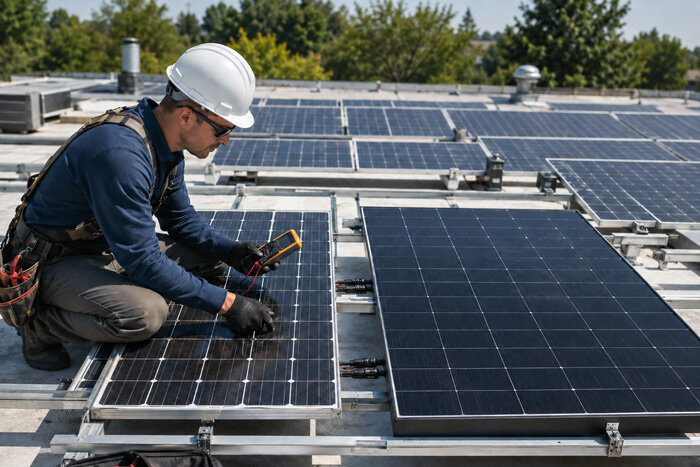
Open-circuit voltage, operating voltage, short-circuit current, maximum power current, and temperature coefficients should be compared between the old and new modules. Panels connected in the same series string should have reasonably similar current characteristics because a lower-current module can limit the output of the entire string.
Physical dimensions also affect the design. Newer high-output modules are often larger than older panels, which can change rail spacing, roof layout, and clamp positions. Two panels with similar wattage can therefore require very different mounting arrangements.
Adding modules changes string voltage or current depending on how the panels are connected.
In a series connection, panel voltages are added while current remains similar. In a parallel connection, current increases while voltage remains close to the original string voltage.
The difference between series and parallel solar panel connections directly affects how many modules can be added to an existing inverter.
Extending a series string raises the total voltage. Solar panel open-circuit voltage also increases in cold weather, so the final string voltage needs to stay below the inverter's maximum DC input rating at the lowest expected site temperature.
Adding another parallel string increases current instead. That additional current affects inverter inputs, cable size, connectors, fuses, and other protection devices. The original string design should therefore be recalculated as part of the expansion.
Many modern inverters have more than one MPPT channel. An unused MPPT input can allow the new array to operate separately from the existing panels.
This arrangement can work well when the added modules have different electrical specifications, face another direction, use a different tilt angle, or experience different shading conditions.
For example, a south-facing array and a west-facing extension produce electricity differently throughout the day. Connecting them to separate MPPT channels allows each section to operate closer to its own optimal voltage and current.
Separate MPPT tracking can also reduce performance losses that may occur when older and newer modules with different characteristics are combined.
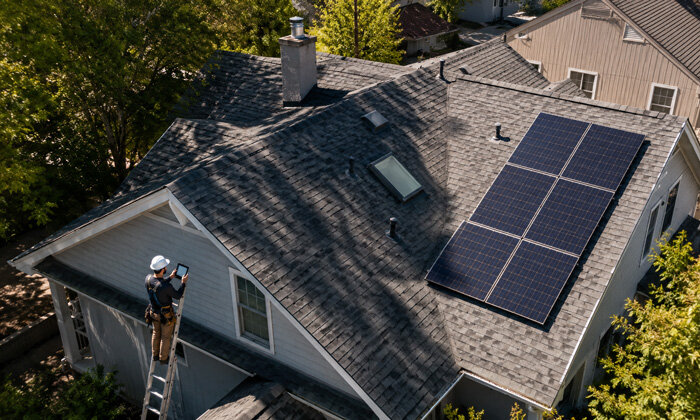
Unused roof space is not automatically suitable for additional solar panels. Orientation, roof pitch, seasonal shading, chimneys, skylights, vents, nearby trees, adjacent buildings, and required setback distances all affect how much usable installation space is actually available.
Panels installed in a heavily shaded section of the roof can produce far less energy than their rated capacity suggests. Roof direction also changes the production profile. East-facing modules generate more energy earlier in the day, while west-facing panels shift more production toward the afternoon.
Roof condition should be considered at the same time. Adding panels to roofing that will need replacement soon can increase future costs because the expanded array may have to be removed and reinstalled.
The mounting structure needs to accommodate the dimensions and frame design of the new modules. Existing rails may not have enough usable length or structural capacity for additional panels.
Panel frame thickness, approved clamping zones, attachment spacing, wind loads, snow loads, and roof-edge distances all influence the mounting design. Selecting suitable solar panel mounting clamps allows the modules to be secured within the frame locations specified by the manufacturer.
The available space on an existing rail does not automatically mean another panel can be installed there. The rail system, attachment spacing, and roof structure all need to support the additional mechanical load.
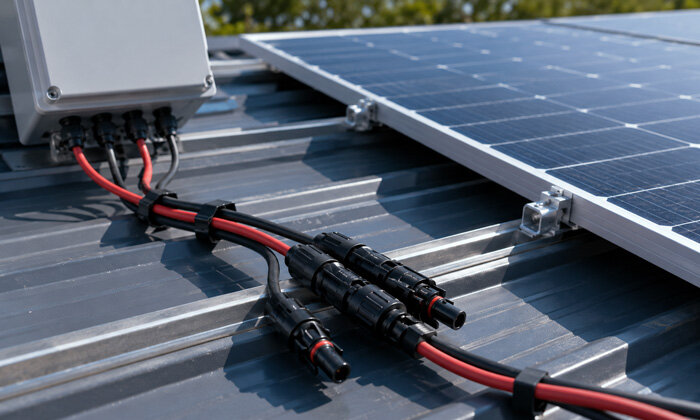
Adding panels can require longer DC cable runs, additional strings, or higher current capacity.
The existing wiring should be checked for:
-
Cable cross-sectional area
-
Current and voltage ratings
-
UV and weather resistance
-
Insulation condition
-
Voltage drop
-
Connector compatibility
-
Cable routing and protection
Longer cable runs create additional voltage drop. Correctly sized solar panel extension cables help keep transmission losses within an acceptable range when new modules are installed farther from the inverter or existing connection point.
PV connectors also need to be compatible. Connectors that appear physically similar are not always designed to be used together, and poorly matched connections can increase electrical resistance and heat.
Solar modules gradually lose some output as they age. A new panel and an older panel with the same original wattage may no longer produce exactly the same current or voltage under identical conditions.
The typical lifespan of solar panels allows many systems to remain productive for decades, but age-related degradation still affects how older modules interact with newly installed panels.
Existing modules should be checked for cracked glass, delamination, discoloration, damaged connectors, hot spots, moisture intrusion, and abnormal production loss. Panels that continue to operate normally can remain in service, while degraded modules may be better separated from the new array or replaced.
Actual module performance provides a better basis for expansion design than age alone.
The number of additional panels should reflect actual energy demand rather than the amount of unused roof space.
Higher electricity consumption commonly comes from:
-
Electric vehicle charging
-
Heat pumps and air conditioning
-
Electric water heating
-
Home extensions
-
Additional appliances
-
Higher household occupancy
Recent utility bills can be compared with existing solar production to estimate how much additional generation is needed. Future consumption can also be included when the household is planning an electric vehicle, heat pump, or other major electrical load.
Solar owners can still receive utility bills because having solar panels does not necessarily eliminate electricity charges. Grid imports, fixed service charges, taxes, and local tariff structures continue to affect the total electricity cost.
Installing substantially more generation than the property can use may also reduce the financial return in markets where exported electricity is compensated at a lower rate than imported grid power.
The original solar installation was usually approved for a specific inverter capacity and export limit. Increasing system size can change the conditions of that connection.
An expansion may require updated electrical drawings, a revised utility application, meter changes, inverter setting adjustments, export controls, or a new inspection. Local interconnection rules vary, and some utilities restrict how much solar power a property can export to the grid.
A property can therefore have enough roof space and inverter capacity for additional panels while still being limited by its approved grid connection.
Export rules also influence the economic value of expansion. When additional solar production exceeds on-site consumption, the return depends partly on the local feed-in tariff or export compensation rate.
Additional solar capacity can change operating current and fault conditions within the system. DC isolators, AC isolators, string fuses, circuit breakers, combiner boxes, surge protection devices, grounding conductors, and distribution equipment should be reviewed against the completed array design.
A breaker, isolator, or cable that was correctly sized for the original system may no longer be suitable after additional modules or parallel strings are installed.
The protection system should be matched to the electrical characteristics of the expanded installation rather than left unchanged simply because the original system operated correctly.
Solar installations commonly include separate warranties for panels, inverters, mounting hardware, workmanship, and sometimes roofing work.
Changing string configurations, replacing inverter components, extending mounting rails, or modifying electrical connections can affect those warranty conditions. Manufacturer documentation may also specify approved connector types, operating limits, clamp locations, and installation methods.
Keeping records of both the original system and the expansion makes future servicing easier. Updated system diagrams, equipment lists, serial numbers, and commissioning results can also support future maintenance or warranty claims.
New panels do not always need to be connected directly to the original strings. A separate array can provide a cleaner design when the original panel model has been discontinued, the new modules have significantly different electrical characteristics, or the existing inverter has no remaining capacity.
A second inverter can also suit panels installed on another roof orientation. Microinverters provide another option because each module can operate independently rather than being matched electrically to an existing string.
Keeping the original and new sections electrically separate can reduce mismatch while allowing both arrays to contribute electricity to the same property.
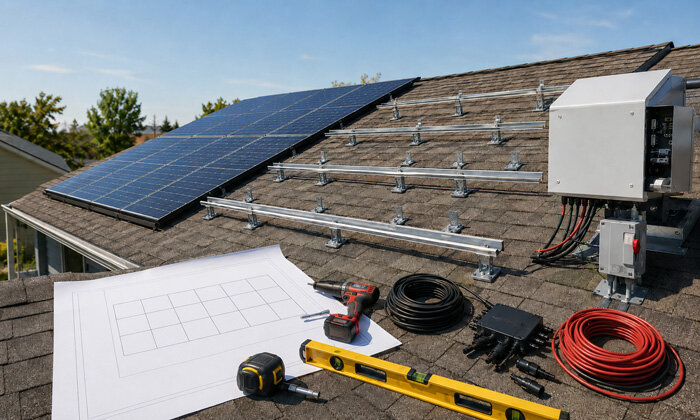
An expansion still involves design, installation, testing, and commissioning. Site inspection and electrical calculations come first, followed by roof layout, equipment selection, mounting work, cable installation, inverter modifications, utility approval where required, and final testing.
The factors that affect how long it takes to install solar panels also apply to expansion projects. Roof complexity, inverter changes, permitting, equipment availability, and grid approval can all influence the schedule.
The physical installation itself may represent only part of the total project timeline.
The cost of additional modules is only part of the total investment. Mounting rails, clamps, roof attachments, DC cables, connectors, electrical protection, inverter changes, labor, engineering, permitting, and utility requirements can all increase the final price.
Using compatible parts of the existing system can reduce project cost, but retaining undersized or poorly matched equipment can create additional expense later.
The financial return should be based on expected annual energy production, local electricity prices, export compensation, installation cost, and the remaining service life of the system.
An expanded array can also influence property appeal. The relationship between solar panels and home value depends on system age, ownership, condition, documentation, local electricity costs, and housing market conditions.
The complete installation should be tested after the additional panels are connected. Commissioning normally includes checking string voltage, current, polarity, insulation resistance, grounding continuity, inverter input readings, MPPT operation, fault status, and monitoring data.
Production data during normal operation can reveal problems that are not obvious during installation. Unexpected differences between strings may indicate shading, wiring faults, connector resistance, panel mismatch, or incorrect inverter settings.
Can You Add a Battery When Expanding an Existing Solar System?
Yes. A solar expansion can be combined with battery storage, but the battery must be compatible with the inverter architecture and the home's electrical system. Some systems require a hybrid inverter or additional battery inverter, while others can add AC-coupled storage without replacing the existing solar inverter.
Can You Claim Solar Tax Credits or Incentives on Additional Panels?
Eligibility depends on local tax rules and incentive programs. In some regions, the cost of newly added solar panels and related installation work may qualify for available renewable energy incentives even when the property already has a solar system. Incentive rules, qualifying equipment, and claim limits can vary by location.
Does Adding More Solar Panels Affect Home Insurance?
It can. An expanded solar system may increase the insured value of the property or change the equipment listed under the policy. Some insurers request updated system details after an expansion, including system capacity, installation documents, and the value of the added equipment.
Can Solar Optimizers Be Added When Expanding an Older System?
Power optimizers can be used in certain expansion designs, especially where new panels experience different shading or roof conditions. Compatibility depends on the inverter, optimizer model, and existing system architecture. Optimizers should not be added to an older string system without confirming that the inverter supports the intended configuration.
Can You Add Panels to a Leased or Financed Solar System?
The contract may restrict modifications to leased, financed, or power purchase agreement solar systems. Adding panels through another installer could affect equipment ownership, warranty coverage, financing terms, or service obligations. The original agreement should be checked before making changes to the system.