Homeowners sometimes need to remove an existing solar array temporarily when replacing a roof, repairing structural damage, fixing leaks, or remodeling a property. Once the work is complete, the panels, mounting equipment, wiring, and related components must be installed again and the system recommissioned.
This service is commonly called solar panel removal and reinstallation, solar R&R, or solar detach and reset.
Although many solar installers can perform this work, not every installer services systems installed by another company. Fortunately, a growing number of U.S. solar contractors specialize in removing and reinstalling existing systems.
If you are relatively new to photovoltaic systems, understanding what solar panels are and how the major system components work can also make it easier to understand what an R&R contractor will actually be handling.
There is no single company covering every property in the United States, so availability depends heavily on the state and city where the solar system is located. The following are examples of companies currently advertising professional solar panel removal and reinstallation services.
| Company |
Main Service Area |
Removal & Reinstallation Services |
| Goodco Solar |
Multiple U.S. States |
Removal, storage, reinstallation, and reconnection |
| SolarTech |
California and Arizona |
Removal and reinstallation services for roofing projects |
| Solar Detach & Reset |
Arizona |
Specialized detach-and-reset services |
| DetachNReset |
Texas |
Removal, reroof coordination, reinstallation, and recommissioning |
| Lumora Energy |
New Jersey |
Residential solar removal and reinstallation |
| FixMySolar |
Florida |
Removal, storage, reinstallation, and recommissioning |
| My Generation Energy |
Massachusetts |
Solar removal, reinstallation, testing, and commissioning |
| OC Solar |
Southern California |
Integrated solar removal, roofing, and reinstallation |
Service areas can change, so homeowners should confirm that a provider works in their ZIP code and is qualified to service their particular inverter, mounting system and panel brand.

Goodco Solar is one of the broader multi-state options for homeowners who need solar panels removed for roof work. The company states that it currently provides removal and reinstallation services in Massachusetts, Connecticut, New Jersey, Maryland, South Carolina, Texas, Arizona, Utah, Nevada, Colorado, Wyoming and California.
Its service is centered on temporarily taking systems down for reroofing or roof repair and reconnecting them after the roofing work has been completed. This makes Goodco particularly relevant for homeowners who cannot get R&R service from the company that originally installed their solar system.
Before choosing any provider, however, homeowners should review their original solar agreement and equipment warranties. This is one of the important things to ask about solar panels, because some manufacturers or installation contracts may impose conditions on who is permitted to disconnect or reinstall equipment.

SolarTech provides solar service and maintenance in California and Arizona and specifically offers removal and reinstallation for properties undergoing reroofing. Its listed locations include San Diego, Inglewood, Anaheim and Riverside in California, as well as Phoenix, Arizona.
This type of contractor can be useful when the homeowner wants the solar work handled separately from the roofing company. The solar contractor removes the photovoltaic equipment, allows the roofer to complete the roof project, and returns afterward to reset the system.
The condition and age of the existing equipment should also be considered. Because homeowners often keep solar arrays for decades, knowing how long solar panels last can help determine whether reinstalling the existing modules makes sense or whether replacing aging equipment during the roofing project would be more practical.
Solar Detach & Reset is an Arizona company focused specifically on the detach-and-reset market. Rather than primarily selling new solar installations, it specializes in removing and reinstalling existing solar systems so roofing work can proceed.
The company serves the greater Phoenix area and other parts of Arizona. Its process includes removing the array, storing the equipment during roof work, reinstalling the system and verifying operation afterward.
A specialized R&R contractor can be particularly useful when roof penetrations, flashing and mounting points must be handled carefully. Reinstallation is not simply a matter of putting panels back in approximately the same place. The mounting system must be properly secured and weatherproofed, and the array should still have appropriate exposure to sunlight. Homeowners planning changes to the roof can therefore benefit from reviewing the best location for solar panels before approving a substantially different array layout.
DetachNReset specializes in solar panel removal and reinstallation across Texas. The company says it serves major markets including Austin, San Antonio, Houston, Dallas–Fort Worth, Corpus Christi and communities throughout Central and South Texas.
Its process includes documenting the existing system, disconnecting and removing the panels and associated equipment, coordinating with the roofing contractor, resetting the equipment and confirming solar production after recommissioning.
This coordination is important because solar and roofing schedules need to match. Panels should not be removed unnecessarily early, since the system normally stops generating electricity while it is disconnected. Homeowners evaluating the financial effect of temporary shutdowns may also want to understand whether you get charged for having solar panels and how their utility billing works while the array is offline.

For New Jersey homeowners, Lumora Energy provides residential solar removal and reinstallation services throughout the state. Its advertised process includes system assessment, coordination with the roofer, panel and racking removal, protected storage, reinstallation, new flashing where required, recommissioning and monitoring verification.
The company also works with multiple common inverter and solar equipment platforms, which is an important consideration for homeowners whose original installer is no longer operating.
When comparing companies, ask whether the contractor will test production after the panels are reinstalled rather than treating physical installation as the end of the job. Maintaining output matters because one of the principal reasons homeowners adopt solar is long-term energy savings. If you are evaluating whether keeping an existing array is worthwhile, see whether installing a solar system can save money.
FixMySolar offers solar panel removal and reinstallation services in Florida, including Palm Beach, Martin and St. Lucie counties and surrounding areas. The company advertises removal of the complete system, protected storage, reinstallation, electrical inspection, recommissioning and restoration of monitoring.
Florida homeowners may require R&R services after roof aging, hurricane damage or other repairs. In these situations, documenting the condition of the array before removal can be especially valuable for distinguishing existing equipment problems from damage occurring during roof or solar work.
Homeowners who are already undertaking substantial repairs may also decide to improve the system while it is temporarily dismantled. Appropriate solar panel conservation measures can help protect system performance over its remaining operating life.
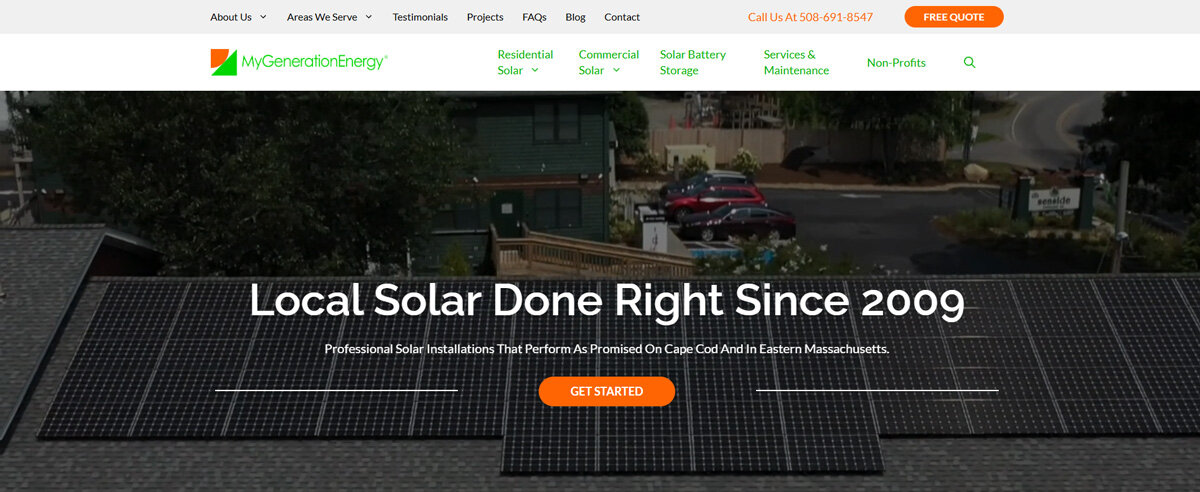
My Generation Energy provides solar panel removal and reinstallation in Massachusetts, including Cape Cod, the South Shore, the South Coast and the Greater Boston area. Its service includes removal before roof repairs, reinstallation afterward, and testing and commissioning before the project is considered complete.
The company notes that the physical solar portion of a straightforward project can often be completed relatively quickly, although the total schedule also depends on roofing work.
Homeowners planning around a larger construction schedule should distinguish between an initial solar installation and an R&R project. For context, understanding how long it takes to install solar panels can help explain why permitting, electrical work and commissioning may make solar project timelines different from ordinary roofing work.

OC Solar provides removal and reinstallation services in Orange County, California. One difference is that the company operates both roofing and solar crews, allowing the roof replacement and solar detach/reset process to be coordinated through one contractor.
This integrated approach may appeal to homeowners who want to avoid disputes between a roofer and a solar company about responsibility for flashing, leaks or mounting penetrations.
For homeowners preparing to sell rather than reroof, maintaining a functioning system can also matter because buyers may consider solar equipment when evaluating a property. Researching whether solar panels increase home value can provide useful context before deciding whether to reinstall, replace or permanently remove an existing array.
The best company is not necessarily the largest installer. R&R work requires a contractor that is comfortable servicing an existing system, including equipment it may not originally have installed.
First, confirm that the company is appropriately licensed and insured for the solar and electrical work required in your state. Ask whether it works with your panel, inverter, optimizer or microinverter, racking and battery brands. The contractor should also explain what happens to warranties after another company touches the equipment.
The scope of work should specify who disconnects the electrical system, who removes the panels and racking, where the equipment will be stored, whether mounting hardware or flashing will be replaced, and who verifies that the system is producing electricity after reinstallation.
Roof coordination is equally important. The solar contractor and roofer should agree on removal and reinstall dates before either project begins. Otherwise, homeowners can end up with a finished roof but an array sitting on the ground for weeks.
Finally, get a written quotation. Pricing can depend on panel count, roof height and pitch, mounting hardware, system complexity, storage requirements, damaged components and whether the array layout needs to change.
Removal for a roof project creates a natural opportunity to inspect the entire system. Relatively young panels in good condition will normally be candidates for reinstallation. Older equipment, damaged modules or obsolete mounting hardware may justify evaluating an upgrade instead.
Any replacement decision should consider the remaining operating life of the array, expected future production, equipment compatibility and the cost difference between reinstalling old components and installing newer ones.
Financial incentives may also influence the decision, although homeowners should be careful with advertisements promising completely free systems. Understanding how government solar incentives and “free solar panel” programs actually work can help distinguish legitimate incentives from misleading offers.
The environmental side is relevant as well. Reusing functional panels instead of unnecessarily replacing them can avoid premature equipment disposal, while continuing to generate renewable electricity preserves the main environmental benefits of installing solar panels.
Does homeowners insurance cover solar panel removal and reinstallation?
Homeowners insurance may cover solar panel removal and reinstallation when the work is required because of a covered event, such as storm, fire, or hail damage. It usually does not cover removal needed for routine roof replacement or normal maintenance. Coverage varies by insurer and policy, so homeowners should confirm deductibles, exclusions, and solar equipment provisions before scheduling work.
Do solar panels need new permits after being removed and reinstalled?
Permit requirements vary by city, county, and state. A like-for-like reinstallation may require little or no additional permitting in some jurisdictions, while changes to electrical equipment, panel layout, system capacity, or structural attachments may trigger new permits or inspections. The contractor should verify local requirements before work begins.
Can a roofing company remove and reinstall solar panels?
Some roofing companies have qualified solar technicians or licensed electrical partners and can manage the entire project. However, a roofer without solar experience should not disconnect or reinstall photovoltaic equipment. Using trained solar professionals reduces the risk of electrical damage, roof leaks, incorrect mounting, and system performance problems.
What happens to net metering when solar panels are temporarily removed?
A temporary shutdown normally stops solar production, so the home will rely more heavily on electricity from the utility until the system is reconnected. Existing net-metering status often remains unchanged after a straightforward reinstall, but major equipment or system-size changes may require updated utility approval under local interconnection rules.
Can solar panels be moved to a different part of the roof during reinstallation?
Yes, panels can sometimes be relocated during reinstallation if the new area has suitable sunlight exposure, structural support, roof space, and code-compliant setbacks. Moving the array may require revised engineering, wiring, permitting, or utility documentation, especially if the new layout significantly changes the original system design.