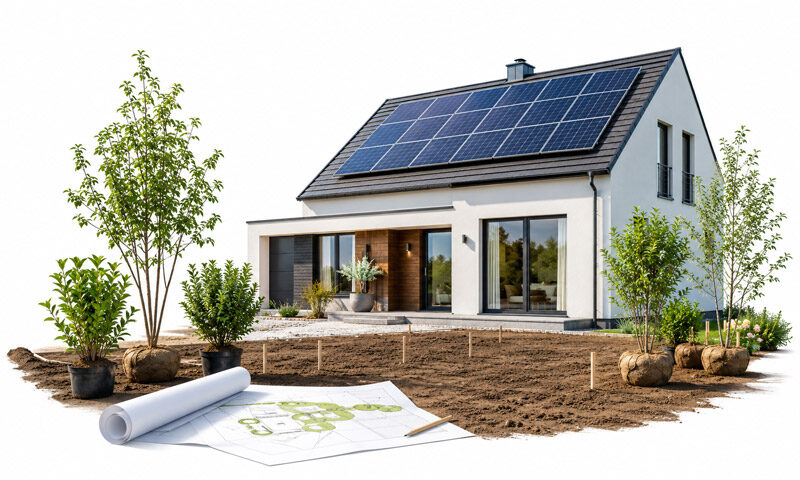
Installing solar panels is not only an energy decision; it is also a landscape design decision. For homeowners who care about gardens, outdoor spaces, and the overall appearance of their property, the timing of a solar installation can greatly influence how well the panels integrate with the surrounding environment.
A successful solar project should work in harmony with the garden rather than compete with it. The best installation time is not simply when sunlight conditions are ideal or when contractors are available. It is the moment when solar placement, garden structure, plant growth, and landscape planning can be considered together.
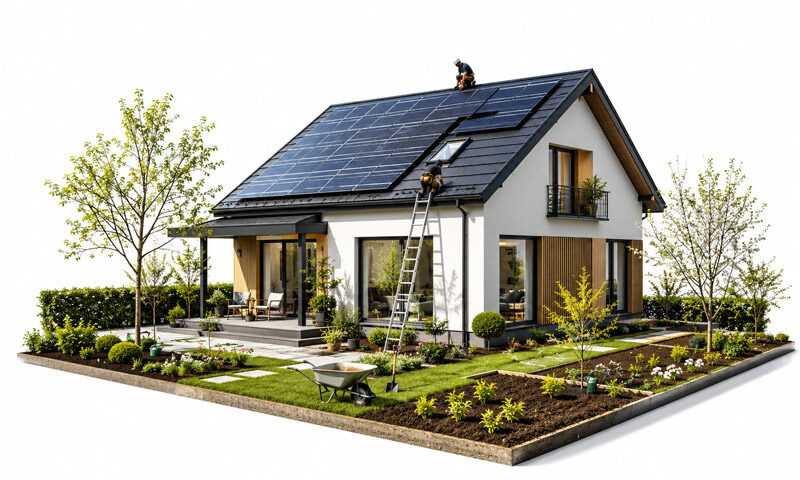
The best time to install solar panels from a landscape perspective is often before major garden projects begin. When solar placement is considered at the same time as garden design, homeowners can create a balanced outdoor environment where energy systems and natural elements support each other.
Before planting trees, installing large shrubs, or designing outdoor living areas, solar panel locations can be carefully selected. This prevents future problems such as growing plants blocking sunlight, roots interfering with installation areas, or landscape features needing to be removed later.
A coordinated approach allows homeowners to plan:
-
Solar panel orientation and roof visibility
-
Tree placement for shade management
-
Garden paths and outdoor structures
-
Screening plants for visual balance
-
Maintenance access around the property
When solar installation and landscaping are planned together, the result is a cleaner and more intentional outdoor design.
Spring: A Strong Season for Solar Installation and Garden Preparation
Spring is one of the most suitable times to install solar panels because gardens are entering their active growing season, making it easier to evaluate future landscape changes.
During spring, homeowners can identify areas where plants will grow, observe sunlight patterns, and decide whether existing trees or shrubs may create shading issues. Installing solar panels before summer allows the system to perform during the months with longer daylight hours while giving the garden time to recover from any temporary construction disturbance.
From a landscape perspective, spring offers several advantages:
-
Soil conditions are usually easier for landscape adjustments
-
New plants can be positioned after solar work is completed
-
Garden designs can adapt around new structures
-
Contractors can work before extreme summer temperatures
If new planting is part of the project, completing solar installation first is often beneficial. Plants can then be placed according to the final solar layout instead of needing future relocation.
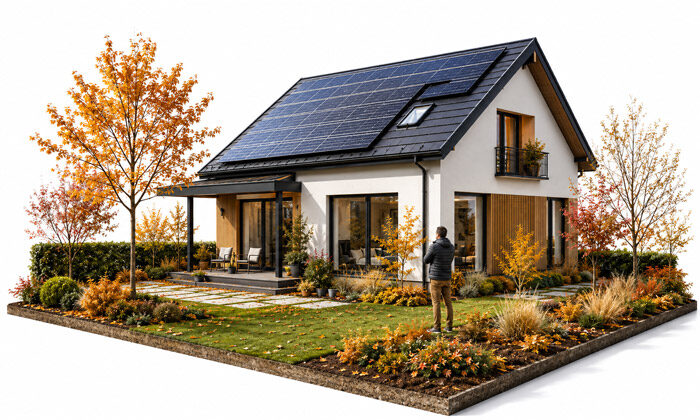
Autumn is also considered a favorable season for solar panel installation, especially for homeowners with established gardens.
During fall, many plants enter a slower growth period, reducing disruption to the landscape. Trees naturally lose leaves, making it easier to evaluate sunlight exposure and identify potential shading problems before the following growing season.
Autumn installation provides several landscape advantages:
-
Less stress on existing plants
-
Easier access around garden areas
-
More accurate assessment of seasonal sunlight
-
Time to prepare the garden before winter
For properties with mature trees, autumn is particularly useful because homeowners can better understand how seasonal changes affect solar performance. A tree that provides attractive summer shade may also reduce winter sunlight, so careful planning is necessary.
Although solar panels can technically be installed at any time of year, some periods are less ideal from a garden perspective.
Late spring and summer can be challenging for landscapes because plants are actively growing and outdoor spaces are often being used more frequently. Heavy equipment, foot traffic, and temporary construction areas may damage lawns, flower beds, or delicate planting zones.
During peak garden growth periods, homeowners may face:
A well-planned installation should protect the garden as much as possible. Choosing a season when plants are less vulnerable can reduce recovery time and preserve the beauty of the landscape.
Garden design and solar installation are closely connected because trees are living structures that change over time.
A small tree planted near a solar installation area may eventually become a major source of shade. While trees are valuable for garden beauty, cooling, and wildlife, their future growth must be considered when selecting solar panel locations.
Good landscape planning involves evaluating:
Rather than removing valuable trees, homeowners can often create balance by selecting appropriate planting locations or choosing species with suitable growth patterns.
The goal is not to eliminate nature around solar panels but to design a landscape where both can thrive.
For homeowners planning outdoor improvements, solar installation should usually happen before adding major garden features.
Projects such as:
are easier to complete after solar work is finished.
Construction equipment and installation activities can disturb newly completed landscapes. By installing solar panels first, homeowners can avoid repairing expensive garden features later.
This approach also allows landscape designers to work around the final solar structure and create a more cohesive outdoor environment.
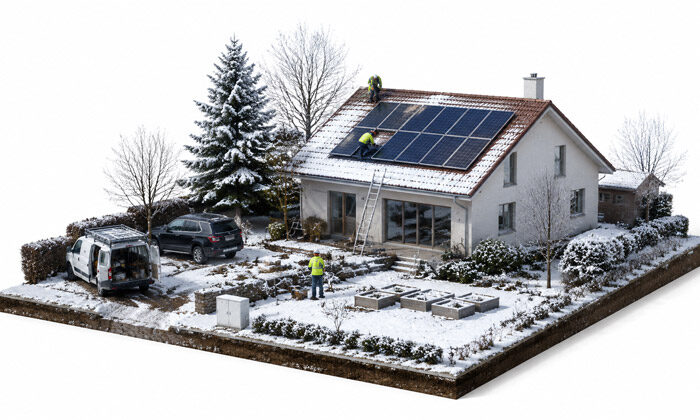
Winter solar installation can be practical in many regions, especially when contractors have availability and weather conditions are suitable. However, from a garden perspective, winter has both advantages and limitations.
Because many plants are dormant, construction may cause less visible damage. Lawns and planting beds are often less active, making temporary disruption easier to manage.
However, winter conditions can create challenges:
-
Wet soil may be damaged by equipment
-
Frozen ground can limit access
-
Poor weather may delay work
-
Garden recovery may take longer
Winter installation works best when the landscape is stable and the installation team can protect existing garden areas.
Modern gardens are increasingly designed around sustainability, and solar panels can become part of a larger environmental landscape strategy.
A thoughtful solar installation can complement gardens through:
-
Strategic planting around visible areas
-
Maintaining clean sightlines
-
Using plants to soften equipment areas
-
Creating eco-friendly outdoor spaces
Instead of viewing solar panels as separate from the garden, homeowners can treat them as one element of a sustainable landscape design.
Solar energy, native plants, water-efficient gardens, and wildlife-friendly planting can work together to create a property that is both beautiful and environmentally responsible.
How far should trees be planted from solar panels to prevent future shading?
Trees should be planted at a distance that considers their mature height and canopy spread rather than their current size.
Fast-growing trees placed too close to solar panels may create shade problems within a few years and reduce solar efficiency. Landscape planning should include future tree growth patterns to maintain consistent sunlight exposure.
Can solar panels be installed in a garden without affecting the overall landscape design?
Yes, solar panels can be integrated into a garden design when their placement, visibility, and surrounding elements are carefully planned.
Strategic planting, outdoor structures, and thoughtful layout choices can help solar systems blend with the existing landscape while maintaining both energy performance and visual appeal.
How can landscaping improve the performance of a solar panel system?
Proper landscaping can support solar performance by managing shade, reducing dust around installation areas, and improving the overall outdoor environment.
The key is to avoid excessive shading while using suitable plants and garden features that complement the solar setup without blocking sunlight.
Should irrigation systems be considered before installing solar panels?
Yes, irrigation planning should be reviewed before installation, especially when solar panels are placed near areas with underground utilities or garden features.
Coordinating solar work with irrigation layouts helps prevent damage and ensures easier maintenance of both the energy system and landscape.
What garden plants are suitable near solar panel installation areas?
Plants near solar panels should have controlled growth habits, low maintenance needs, and limited height to avoid creating shade.
Ground covers, low-growing shrubs, and native plants are often better choices because they provide landscape benefits while reducing the risk of blocking sunlight.